What to Look for in an Alarm with 111 Calling for Senior Safety in New Zealand
When you or someone you care about gets older, the little things start to matter more. A simple fall in the garden, a sudden dizzy spell in the kitchen, or waking up feeling unwell in the middle of the night can turn into a crisis if help takes too long to arrive. That is why many New Zealand families now look for a personal emergency alarm, specifically an alarm with 111 calling, to make sure that when the button is pressed, help is on its way fast.
Over the years I have seen the market for medical alert devices grow from basic pendants that only call a monitoring centre to sophisticated systems that combine GPS tracking, fall detection, and two-way calling. But the most important feature for anyone living in New Zealand is direct access to emergency services. A medical alert that connects you to 111 as soon as you press the button can mean the difference between a quick response and a dangerous delay.
Why Direct 111 Calling Matters
A standard medical alert typically calls a monitoring centre first. An operator then assesses the situation and decides whether to call an ambulance. That extra step costs precious minutes. An alarm with 111 calling bypasses the middle layer and dials emergency services directly. For a senior who has fallen and cannot get up, those minutes feel like hours. When you are lying on a cold floor with a broken hip, you do not want someone asking you questions over a speaker. You want a paramedic on the line.
In New Zealand, St John New Zealand and the local ambulance services handle most emergency call-outs for seniors. Having a device that can connect you straight to them, without going through a third-party call centre, gives families peace of mind. It also means that if the person wearing the alarm cannot speak, the dispatcher still has the location and a pre-registered medical history to work with.
Family Monitoring and Two-Way Calling
Many families are not ready to hand over all responsibility to a stranger. That is where family monitoring comes in. A good alarm with 111 calling will also send an alert to a list of family members when the button is pressed. A caregiver or adult child can then listen in through two-way calling and decide whether to go over themselves or let the ambulance handle it. It keeps the family involved without making them the first responder.

Two-way calling is a feature I have seen grow in importance over the last few years. The person wearing the alarm can talk directly to a family member through the base unit or pendant. It sounds simple, but when someone is confused or scared after a fall, hearing a familiar voice can calm them down and help them describe what happened. It also lets the caregiver ask questions, like whether the person is bleeding or feels dizzy, so they can give accurate information to the emergency dispatcher.
Fall Detection and GPS Tracking
Not every emergency starts with a conscious decision to press a button. A senior might hit their head and lose consciousness, or the fall might happen so fast they cannot reach the pendant. That is why fall detection has become a must-have in any modern medical alert system. The device senses the impact and the change in position and automatically triggers an alert. It does not wait for the person to press anything. With an alarm with 111 calling, that automatic alert goes straight to emergency services, not just to a monitoring centre that might take time to react.
GPS tracking adds another layer of safety for seniors who still like to walk around the neighbourhood or go to the local shops. A device with GPS pinpoints the exact location and sends it to the emergency dispatcher. If an older person wanders off due to dementia or gets lost on a bus, the family can see where they are on a map. Some systems, like those offered by GreatCall and Bay Alarm Medical overseas, have long included GPS. In New Zealand, local providers like NZ Telehealth and Familyr have adapted this technology to work with our cellular networks.
What About the Big Names?
When people start researching medical alarms, they often come across brands like Life Alert, Philips Lifeline, and GreatCall. These are well-established companies with good products, but they are mostly built for the American and European markets. Their systems rely on cellular networks and monitoring centres that may not be optimised for New Zealand. For example, Life Alert is famous in the US but its service does not connect directly to 111 here. You would end up calling a US-based operator who then has to figure out how to reach emergency services in your local area. That adds delay and confusion.
Philips Lifeline offers excellent fall detection and two-way calling, but again, the monitoring is handled offshore or through a third party. The same goes for Bay Alarm Medical and GreatCall. They are solid products, but they are not designed for the New Zealand emergency infrastructure. If you want an alarm with 111 calling, you are better off looking at local providers who have agreements with St John New Zealand and who understand how our ambulance dispatch works.
Vodafone and the major mobile carriers in New Zealand also offer some personal safety features through smartwatches and phones. Samsung and Apple have built fall detection and SOS functions into their latest devices. These can work well for someone who is already comfortable with smartphones. But for a senior who does not want to carry a phone or remember to charge it every night, a dedicated pendant or wristband is simpler and more reliable.
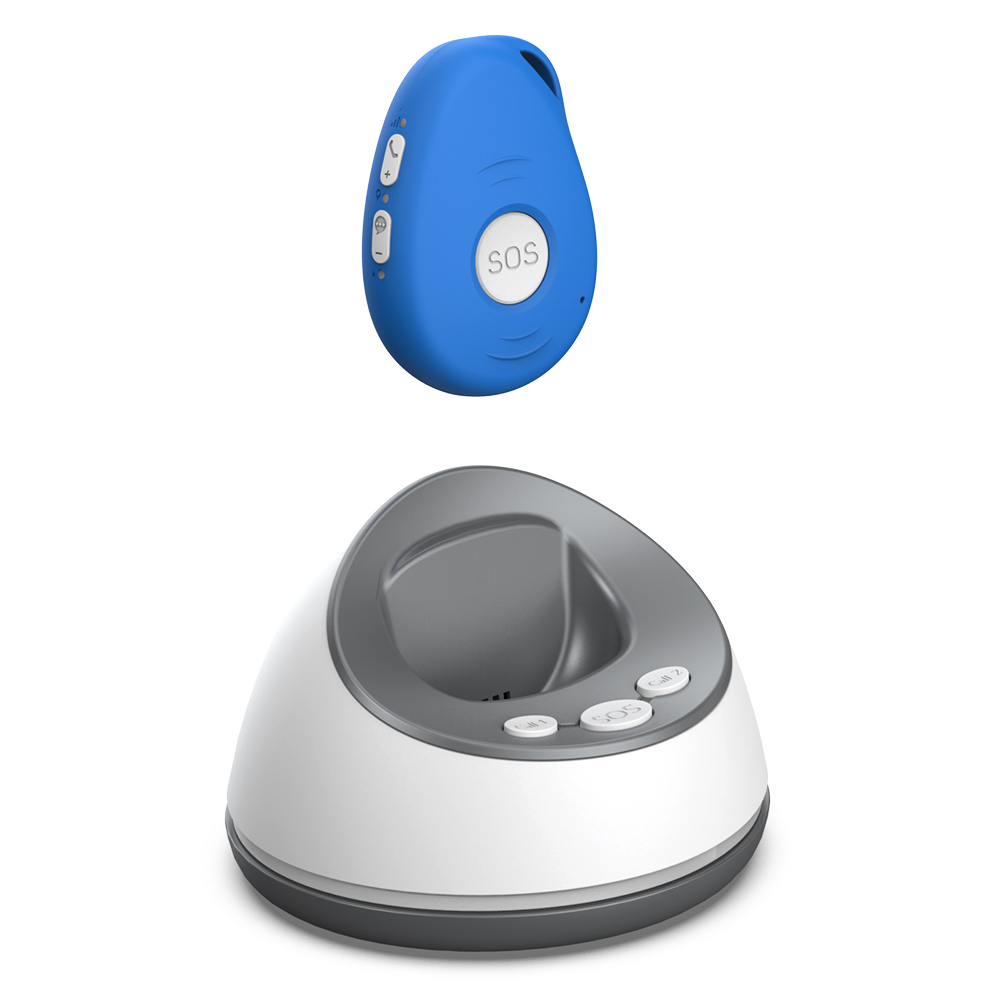
Practical Considerations for Choosing a Device
Battery life matters more than you might think. A pendant that needs charging every day is a pendant that will be left on the nightstand. Look for a device that lasts at least a few days on a single charge, or one that uses a replaceable battery that can go for months. Water resistance is another factor. Many falls happen in the bathroom. If the alarm cannot get wet, it is useless when you need it most.
Range is also a consideration. Some base stations only work within 200 metres of the house. Others, especially those with GPS and cellular backup, work anywhere there is mobile coverage. For a senior who spends time in the garden or walks to the local dairy, a wide-range system is essential. The best devices combine a home base station with a mobile pendant that uses GPS and cellular data to stay connected even when the person is far from home.
Monthly fees are a sore point for many families. Some providers charge a monthly subscription for monitoring, often between $30 and $50. Over a few years that adds up to thousands of dollars. There are now options in New Zealand that offer an alarm with 111 calling with no monthly fees. The device itself costs more upfront, but you own it outright and pay nothing month to month. For a fixed-income senior, that can make all the difference.
How Caregivers and Family Members Benefit
Caregivers carry a heavy load. They worry constantly about whether their parent or spouse is safe. A medical alert system with family monitoring does not replace the caregiver, but it reduces the constant anxiety. Instead of calling every hour to check in, the caregiver gets a notification only when something happens. They can then listen in through two-way calling, assess the situation, and decide on the best course of action. It gives them a break without making them feel guilty.
Family monitoring also helps when the senior lives alone. Many older New Zealanders want to stay in their own homes for as long as possible. A reliable alarm system makes that possible by ensuring that help is never more than a button press away. The family knows that even if they cannot be there in person, someone will respond quickly.
Healthline and ACC have both highlighted the importance of quick response times for older adults who fall. Delays of even a few minutes can lead to complications like hypothermia, dehydration, or pressure injuries from lying on the floor too long. A direct line to 111 shortens that delay significantly.

Final Thoughts
Choosing the right medical alarm is not about picking the most expensive or the most famous brand. It is about finding a device that fits the person's lifestyle, their comfort with technology, and the specific risks they face. For anyone in New Zealand who wants fast, direct access to emergency services, an alarm with 111 calling is the gold standard. It cuts out the middleman, connects you straight to the people who can help, and gives families the reassurance that their loved one will never be left waiting alone.
Look for a device that combines fall detection, GPS tracking, two-way calling, and family monitoring. Make sure it works on New Zealand networks and that the battery life and water resistance match the person's daily routine. And if you can find one with no monthly fees, even better. Senior safety is not about bells and whistles. It is about making sure that when the worst happens, help is already on its way.